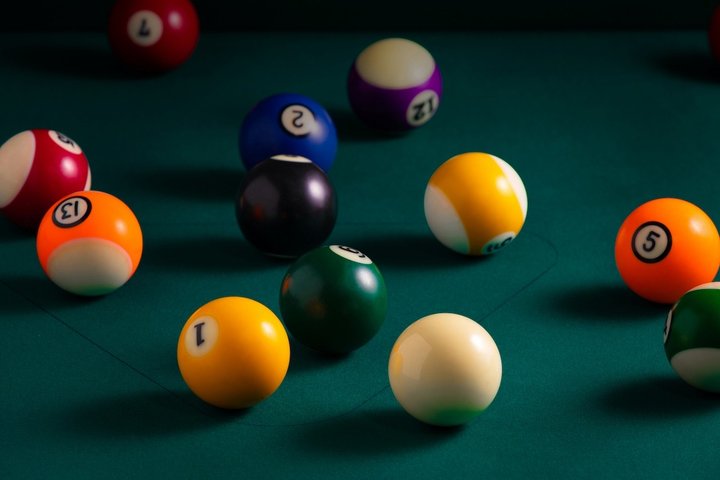
World-class athletes often find inspiration across different sports to enhance their performance, raising the question of whether billiards players can similarly learn from poker professionals like Daniel Negreanu and Phil Ivey regarding preparation strategies. The article highlights three key areas where these two disciplines intersect: pre-match routines, decision-making under uncertainty, and practicing difficult situations.
Regarding preparation, experts note that successful poker pros prioritize rigorous habits such as adequate sleep, healthy wholefoods-based diets, and mindfulness over simply winning or losing a hand. Negreanu is cited for grading his own performance based on the quality of decisions made; in 2015, he noted receiving an A+ grade even when he lost if his choices were sound. Billiards players are encouraged to adopt similar repeatable routines involving early arrival, table checks, visualization, and focused technical warm-ups rather than random practice or waiting for matches to begin.
The article further draws parallels in decision-making under incomplete information, where poker relies on probabilities and reading opponents while billiards requires assessing cue-ball reactions and positional risks without certainty. It also emphasizes the value of simulating high-pressure scenarios during training, such as playing behind a race clock or facing unfamiliar opponents, to build familiarity with concentration demands rather than creating artificial drama for its own sake. Ultimately, competition remains the most effective method for learning these essential lessons in both fields.
Would you like to discuss how specific billiards drills could be adapted from poker study sessions?